

 Vishnu Priya
Luteal phase symptoms are one of the most searched health topics among women in 2026. Searches for “early luteal phase symptoms” grew nine times in one year — and that number reflects something important: millions of women are experiencing a predictable set of physical and emotional changes every single month and have no framework for understanding why.
The luteal phase is the second half of your menstrual cycle. It begins after ovulation and ends when your period starts. Most women experience somewhere between 10 and 16 days in this phase. What happens hormonally during those days explains a lot of what women dismiss as mood swings, laziness, or anxiety.
Table of Contents
What Is the Luteal Phase?
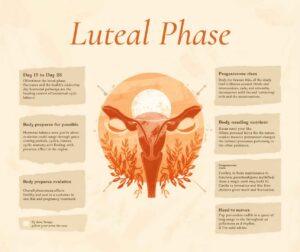
The luteal phase begins immediately after ovulation — when the follicle that released the egg transforms into a structure called the corpus luteum. The corpus luteum produces progesterone, which rises steadily in the early luteal phase to prepare the uterus for potential implantation. If no pregnancy occurs, the corpus luteum breaks down, progesterone and estrogen fall sharply, and menstruation begins. This hormonal sequence rising then falling progesterone, with estrogen also dipping in the late luteal phase is the biochemical engine driving luteal phase symptoms.
The Most Common Luteal Phase Symptoms
Physical Symptoms
Bloating and water retention. Progesterone affects fluid regulation in the body. As progesterone rises in the early luteal phase, many women retain water, particularly in the abdomen, hands, and face.
Breast tenderness. Progesterone stimulates breast tissue development in preparation for potential pregnancy. This can cause noticeable tenderness or fullness that peaks in the mid to late luteal phase.
Fatigue and low energy. Progesterone has a sedating effect on the central nervous system. During the luteal phase, many women experience marked fatigue, particularly in the afternoon. This is not laziness — it is a documented hormonal response.
Headaches. The sharp drop in estrogen in the late luteal phase is a known headache and migraine trigger for many women.
Changes in appetite and food cravings. The luteal phase increases basal metabolic rate — your body burns more calories during these two weeks than during the follicular phase. This explains why hunger and cravings increase in the second half of the cycle.
Emotional and Cognitive Symptoms
Mood swings and irritability. Estrogen supports serotonin production. As estrogen drops in the late luteal phase, serotonin dips with it. The result is increased emotional reactivity, lower threshold for frustration, and in many women, tearfulness or anger that feels disproportionate to the trigger.
Luteal phase anxiety. Progesterone metabolizes into a compound called allopregnanolone, which acts on GABA receptors and normally has a calming effect. However, in women who are sensitive to progesterone fluctuations, this same compound can paradoxically increase anxiety and emotional dysregulation. This is one proposed mechanism behind PMDD (premenstrual dysphoric disorder).
Brain fog and poor concentration. Multiple studies have found that working memory and processing speed are reduced in the late luteal phase compared to the follicular phase.
Low motivation and social withdrawal. Many women describe wanting to slow down, cancel plans, and turn inward during the luteal phase — consistent with the natural rhythmic quality of the female hormonal cycle.
Early Luteal Phase vs Late Luteal Phase Symptoms
Early luteal phase (days 1 to 7 after ovulation): Progesterone is rising, estrogen is still relatively stable. Symptoms are milder. Some women feel a brief energy boost just after ovulation.
Late luteal phase (days 8 to 14 after ovulation): Both progesterone and estrogen begin to fall. This is when the most intense symptoms occur — mood changes, breast tenderness, bloating, headaches, and emotional sensitivity peak here. This is also when PMS or PMDD symptoms are most pronounced.
What Helps Luteal Phase Symptoms
1. Increase Magnesium in the Late Luteal Phase
Magnesium deficiency is linked directly to PMS severity. Foods rich in magnesium include dark leafy greens, pumpkin seeds, dark chocolate, avocado, and almonds. Research supports magnesium supplementation of 250 to 360mg per day for women with significant PMS symptoms.
2. Eat More Protein in the Luteal Phase
Because your metabolism is elevated during the luteal phase, eating adequate protein helps stabilize blood sugar, manage cravings, and reduce the energy crashes that exacerbate mood symptoms. Aim for 25 to 35 grams of protein per meal in the week before your period.
3. Prioritize Sleep
Progesterone normally supports sleep quality. However, the late luteal drop can disrupt this. Prioritizing consistent sleep and wind-down routines in the days before your period significantly reduces the severity of fatigue and mood-related symptoms.
4. Reduce Ultra-Processed Foods and Alcohol
Both worsen the inflammatory environment during the late luteal phase and amplify mood symptoms. Alcohol in particular is a serotonin disruptor and dramatically increases anxiety in women who are already progesterone-sensitive.
5. Track Your Cycle
You cannot optimize what you cannot see. Tracking your luteal phase symptoms over two to three cycles using a simple journal or app gives you a predictive map of your own hormonal patterns. What looks like random mood swings quickly reveals itself as a consistent, cyclical, addressable pattern.
For women experiencing severe luteal phase symptoms that affect daily functioning, this may indicate PMDD or underlying hormonal imbalance. See our guide on hormone imbalance symptoms in women for a broader picture. If cortisol is also part of the picture — and it often is — our guide on foods to lower cortisol covers the diet changes that support adrenal health throughout the full cycle.
External reference: Cleveland Clinic — Understanding the Menstrual Cycle Phases
Related Guides
- 9 Hormone Imbalance Symptoms in Women — the full picture of hormonal disruption beyond the luteal phase
- Best Foods to Lower Cortisol — cortisol fluctuates with the menstrual cycle and directly worsens luteal symptoms
- Creatine for Women — how creatine specifically supports energy and brain function during the luteal phase
- Setting Boundaries at Work — managing professional performance during high-symptom luteal days
- Best Anti-Aging Skincare Ingredients (LeviKeswick) — skin changes in the luteal phase and how to manage them
External references: Cleveland Clinic — Understanding the Menstrual Cycle | PubMed — Premenstrual Syndrome: A Brief Review | Medical News Today — The Luteal Phase Explained
Frequently Asked Questions
What is the luteal phase in simple terms?
The luteal phase is the second half of the menstrual cycle, starting after ovulation and ending when your period begins. It typically lasts 10 to 16 days and is driven by rising then falling progesterone and estrogen. These hormonal changes cause the physical and emotional symptoms many women experience before their period.
What are the most common early luteal phase symptoms?
Early luteal phase symptoms are typically mild and include slight bloating, breast fullness, increased appetite, and a feeling of warmth due to progesterone’s thermogenic effect. Many women feel relatively well in the early luteal phase compared to the late phase when symptoms intensify.
Why am I so tired during the luteal phase?
Luteal phase fatigue is caused by progesterone’s sedating effect on the central nervous system. Additionally, your body’s metabolic rate is elevated during the luteal phase, meaning you are burning more energy. This combination creates genuine physiological tiredness that is not a character flaw or lack of willpower.
Can luteal phase symptoms be mistaken for pregnancy?
Yes. Early pregnancy and the late luteal phase share many symptoms — breast tenderness, bloating, fatigue, mood changes, and food cravings — because both are driven by elevated progesterone. The only reliable way to distinguish between them is a pregnancy test.
What is the difference between PMS and PMDD?
PMS involves moderate physical and emotional symptoms in the luteal phase that are disruptive but manageable. PMDD is a more severe condition involving intense mood symptoms — depression, severe anxiety, rage — that significantly impair daily functioning. PMDD affects around 3 to 8 percent of women and requires clinical assessment and treatment.