

 Laura Anderson
Winter tiredness in women is very common. When days get shorter and colder, many of us feel flat, sleepy and low on energy.
Sometimes it is just the season. But sometimes there is a treatable reason underneath. Here are 8 common reasons you may feel exhausted this winter, and what you can do about each one.
Why Do I Feel So Tired in Winter?
Less daylight, colder weather and busier schedules all affect sleep, mood and energy. At the same time, winter can bring out other issues such as low iron or low vitamin D.
Look at the list below and notice which reasons sound like you.

8 Reasons You Feel Exhausted in Winter
1. Less daylight changes your body clock
Morning light helps tell your body when to wake up. In winter you may wake in the dark and spend most of the day indoors, which can leave you feeling sluggish.
2. Your sleep has slipped
Darker evenings can push bedtimes later. Screens, alcohol and irregular hours can lower sleep quality, even if you are in bed for long enough.
A steady wind down helps. See our night routine for women and soft morning routine.
3. Low iron
Iron deficiency is common in women, especially with heavy periods, pregnancy or a diet low in iron. It can make you tired long before you feel anything else.
Other signs can include:
- pale skin
- shortness of breath
- headaches or dizziness
- heart palpitations
- brittle nails
- hair shedding (see hair loss in women)
- cold hands and feet
A blood test can check your iron and ferritin. Do not start high dose iron without advice, because too much iron can be harmful.
4. Low vitamin D
Your skin makes vitamin D from sunlight, and winter sun is weak in many places. In the UK, the NHS advises considering a daily 10 microgram vitamin D supplement in autumn and winter.
Advice differs by country and by person, so ask your doctor about your own levels.
5. Thyroid problems
An underactive thyroid can cause tiredness, weight changes, feeling cold, dry skin and thinning hair. It is more common in women. A simple blood test can check it.
6. Winter low mood or seasonal affective disorder
If low mood, loss of interest or heavy tiredness returns every winter, it may be seasonal affective disorder. This is a recognised condition and it can be treated.
Please speak to your doctor if it affects your daily life. You do not have to push through alone.
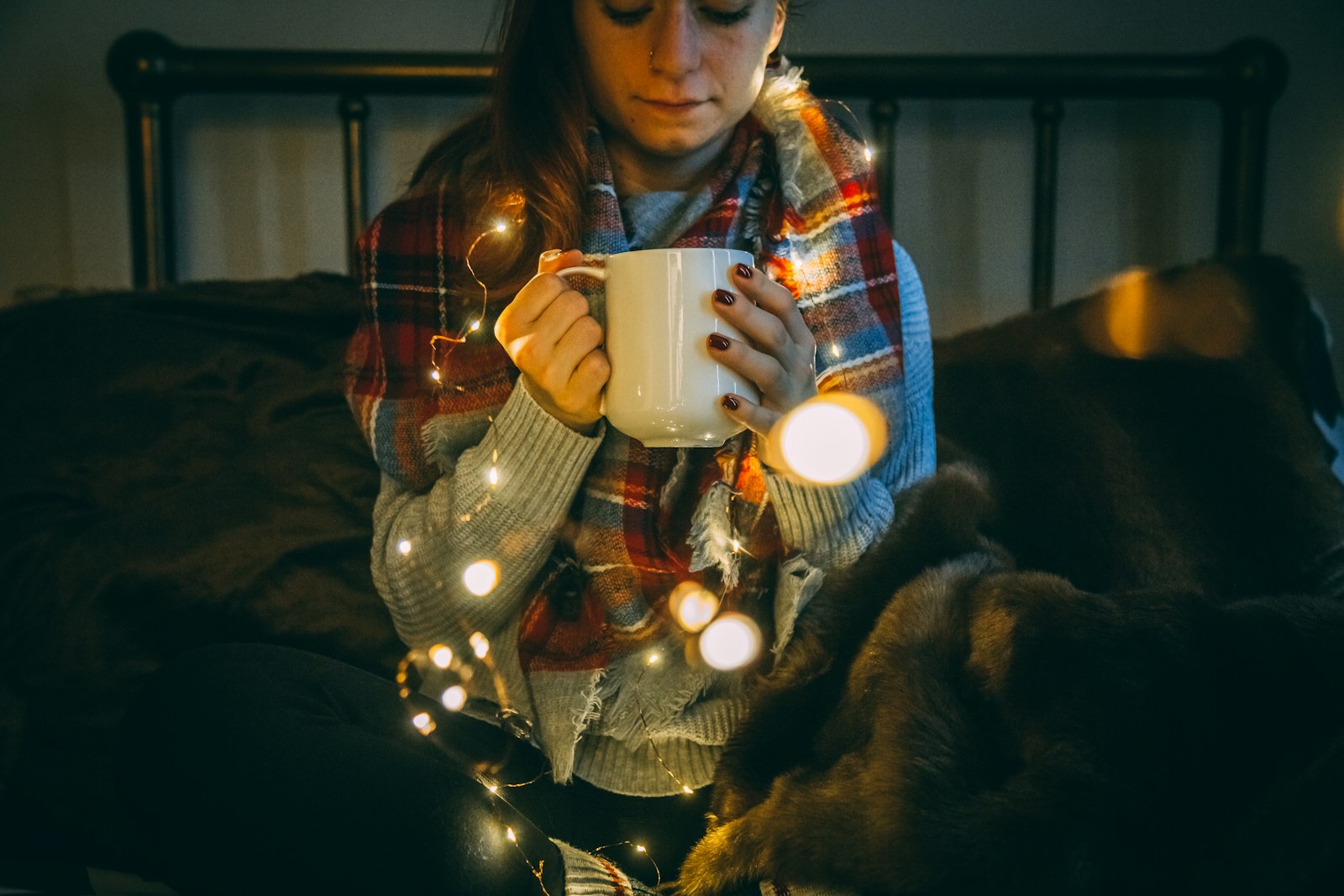
7. Less movement, less water and heavier eating
Cold weather makes it easy to move less and drink less. Both can add to low energy. Heavy, sugary comfort food can also lead to energy crashes.
8. Stress, hormones and the busy season
Work deadlines, family plans and the holiday rush can wear you down. Hormonal changes through your cycle can also affect energy. If you notice patterns, our guides to hormone imbalance symptoms and magnesium for women may help.
What Helps With Winter Tiredness
- Get daylight early. Take a short walk outside in the morning, even when it is cloudy.
- Keep a steady sleep schedule. Go to bed and wake up at similar times, including weekends.
- Move a little every day. A walk, stretching or a light workout can lift energy.
- Eat balanced meals. Include protein, vegetables and iron rich foods such as lentils, beans, eggs, fish and leafy greens.
- Drink water and limit late caffeine. Both affect sleep and energy.
- Plan rest on purpose. Say no to some events. For ideas see our friends at Pretty Progressive and their winter self care routine.
- Ask for blood tests. If tiredness continues, ask about iron, thyroid and vitamin D.
When to See a Doctor
See your doctor if you have felt tired for more than a few weeks and rest does not help, or if tiredness comes with other symptoms such as heavy periods, breathlessness, weight changes, low mood or hair loss.
Get urgent medical help if you have chest pain, severe breathlessness or fainting.
This article is for general information and is not medical advice. Please speak to a doctor about your own symptoms.
Further reading: NHS: tiredness and fatigue | NHS: iron deficiency anaemia | NHS: vitamin D
Frequently Asked Questions
Why am I so tired in winter?
Less daylight, disrupted sleep, low iron, low vitamin D, thyroid issues, low mood and stress can all play a part.
Is winter tiredness normal?
Feeling a bit slower in winter is common. Tiredness that lasts weeks or affects daily life deserves a check with your doctor.
What vitamin deficiency causes tiredness in women?
Low iron is a very common cause. Low vitamin D and low B12 can also play a role. Ask for testing before you take supplements.
How can I boost energy in winter naturally?
Get morning daylight, keep a steady sleep routine, move daily, eat balanced meals and plan time to rest.
When is tiredness a sign of something serious?
See a doctor if it lasts more than a few weeks, keeps getting worse, or comes with breathlessness, chest pain, fainting, weight changes or very low mood.