

 Laura Anderson
Fibermaxxing is everywhere right now, showing up in grocery hauls, meal prep videos and pantry restocks across every corner of wellness TikTok. Unlike most viral nutrition trends that fade the moment a doctor weighs in, this one is holding up. The core idea is almost embarrassingly simple: eat more fiber, more consistently, from real food sources, and let one of the most under consumed nutrients in the modern diet do the heavy lifting for gut, hormone and metabolic health.
Quick Take
Most women get 14 to 18 grams of fiber a day. The target is 25 to 30. Fibermaxxing simply means closing that gap with whole foods, gradually, so digestion has time to adjust.
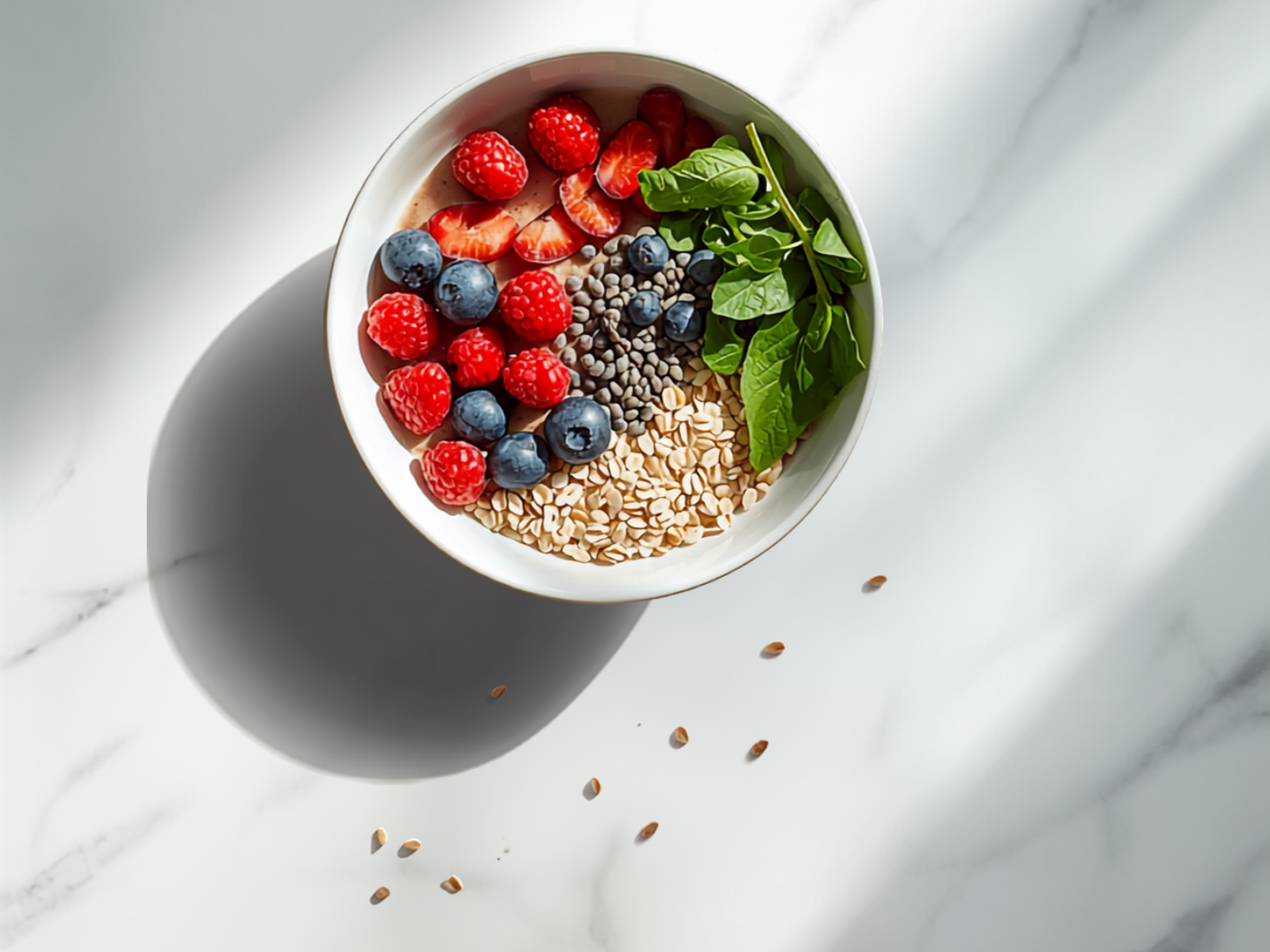
Table of Contents
What Fibermaxxing Actually Means
Fibermaxxing describes a deliberate push to hit or exceed daily fiber targets by building meals around fiber dense foods instead of treating fiber as an afterthought. That means starting the day with a fiber forward breakfast, adding beans, lentils or vegetables to meals that would not normally include them, and choosing whole fruit over juice. It is not a restrictive diet and it does not eliminate any food group. The entire premise is additive: stack more fiber into the meals a person already eats rather than overhauling everything at once.
Most women in the United States get somewhere between fourteen and eighteen grams of fiber a day, well short of the twenty five to thirty gram target nutrition researchers generally recommend for adult women. Fibermaxxing exists to close that gap, and its viral popularity is largely because it works without requiring a person to track macros or give up entire categories of food.
The Science Behind Why Fiber Works This Well
Fiber’s effects are not slow or abstract. They show up in weeks, not years.
Fiber’s biggest role happens in the gut, where it feeds beneficial bacteria that ferment it into short chain fatty acids, compounds that support the gut lining and help regulate inflammation throughout the body. A clinical trial on fiber rich supplementation in women found measurable improvements in gut and health markers after a relatively short intervention period, reinforcing that fiber’s effects are not slow or abstract, they show up in weeks, not years.
Fiber also slows the absorption of sugar into the bloodstream, which is part of why fiber forward meals tend to produce steadier energy and fewer mid afternoon crashes than meals built mostly around refined carbohydrates. For women specifically, this steadier blood sugar response has downstream effects on hormone regulation, since insulin spikes influence how other hormones, including estrogen and cortisol, are metabolized and cleared from the body.
How Much Fiber Women Actually Need
The generally cited target for adult women is twenty five to thirty grams of fiber daily, though needs can vary slightly with age, activity level and overall calorie intake. What matters more than hitting an exact number is consistency, since the gut microbiome responds to fiber intake as a pattern rather than a single high fiber day followed by a low fiber week. A single serving of lentils, roughly half a cup cooked, provides about eight grams on its own, which shows how quickly a fibermaxxing approach can close the gap without dramatically increasing food volume.
What a Fibermaxxing Day of Eating Looks Like
A fibermaxxing breakfast might look like oats topped with chia seeds, flaxseed and berries, easily delivering ten to twelve grams of fiber before the day even starts. Lunch built around a grain bowl with beans, roasted vegetables and leafy greens can add another twelve to fifteen grams, and dinner with a side of lentils or a vegetable heavy stir fry closes out the day comfortably inside the target range.
Snacks are where fibermaxxing becomes easiest to sustain long term. Swapping a plain granola bar for one built around nuts, seeds and whole oats, or reaching for an apple with the skin on instead of a peeled version, adds fiber without requiring any extra planning. Pairing high fiber meals with a rotation of easy healthy recipes that already lean on vegetables and whole grains makes the whole approach far less effortful than it sounds on paper.
Fibermaxxing and Hormonal, Skin and Heart Health
Fiber’s influence extends well beyond digestion. Because fiber helps the body clear excess estrogen through the digestive tract rather than reabsorbing it, adequate fiber intake is increasingly discussed alongside broader hormonal health strategies for women navigating perimenopause and beyond. Fiber also supports healthier cholesterol levels by binding to bile acids in the gut, which the body then has to replace using cholesterol already circulating in the bloodstream, a mechanism with real implications for long term cardiovascular health.
The skin benefits are less direct but still notable. A gut environment that is properly fed with fiber tends to produce less systemic inflammation, and since inflammation is a known contributor to breakouts and skin sensitivity, many women report clearer skin as a secondary benefit of a few consistent weeks of fibermaxxing, even though the mechanism runs through the gut rather than through any topical change.
Common Fibermaxxing Mistakes
The most common mistake is increasing fiber intake too quickly, which can cause bloating, gas and digestive discomfort strong enough to make someone abandon the approach in the first week. Gradually increasing fiber over ten to fourteen days, while increasing water intake alongside it, allows the gut microbiome time to adjust without the uncomfortable side effects that give fiber a bad reputation.
The second mistake is leaning entirely on fiber supplements or fortified bars instead of whole food sources. Supplemental fiber can help close small gaps, but it does not deliver the same mix of polyphenols, resistant starch and micronutrients that whole foods like lentils, oats, vegetables and fruit provide, and the gut microbiome appears to respond more favorably to fiber that arrives with its natural food matrix intact.
How Fibermaxxing Pairs With Gut Health Habits You Already Have
Fibermaxxing works best as one piece of a broader gut health approach rather than a standalone fix. Fiber acts as the food source for the beneficial bacteria introduced through fermented foods, so pairing a high fiber diet with fermented options like kefir or kombucha tends to produce better results than either strategy alone. Women already taking a daily probiotic supplement often find that adding consistent fiber intake is what finally makes that supplement noticeably effective, since the probiotic strains need fiber to actually establish and thrive in the gut.
Meal timing plays a role here too. Spacing fiber rich meals throughout the day rather than front loading them all at breakfast supports more stable digestion, an idea that overlaps closely with the principles behind circadian rhythm eating, where consistent meal spacing is already shown to support steadier metabolism.
Frequently Asked Questions
What is fibermaxxing?
Fibermaxxing is the practice of deliberately building meals around fiber rich whole foods to hit or exceed the recommended twenty five to thirty grams of daily fiber for women, rather than treating fiber as an incidental part of the diet.
How much fiber should women eat per day?
Most nutrition guidelines recommend twenty five to thirty grams of fiber daily for adult women, though most women in the United States currently consume closer to fourteen to eighteen grams, leaving a meaningful gap that fibermaxxing is designed to close.
Can too much fiber cause digestive issues?
Yes, increasing fiber intake too quickly can cause bloating and gas. Raising fiber gradually over one to two weeks, alongside increased water intake, helps the gut microbiome adjust without uncomfortable side effects.
Does fibermaxxing help with hormone balance?
Fiber supports the body’s ability to clear excess estrogen through digestion rather than reabsorbing it, which is why many hormonal health strategies for women now include fiber intake as a foundational piece rather than an afterthought.
The Bottom Line on Fibermaxxing
Fibermaxxing earns its staying power because it asks for very little and delivers a lot. There is no elimination, no tracking app and no expensive protocol, just a consistent effort to build meals around whole foods that were already fiber rich to begin with. Paired with fermented foods, consistent meal timing and patience through the first uncomfortable week, fibermaxxing is one of the rare viral health trends in 2026 that holds up under real scientific scrutiny.