

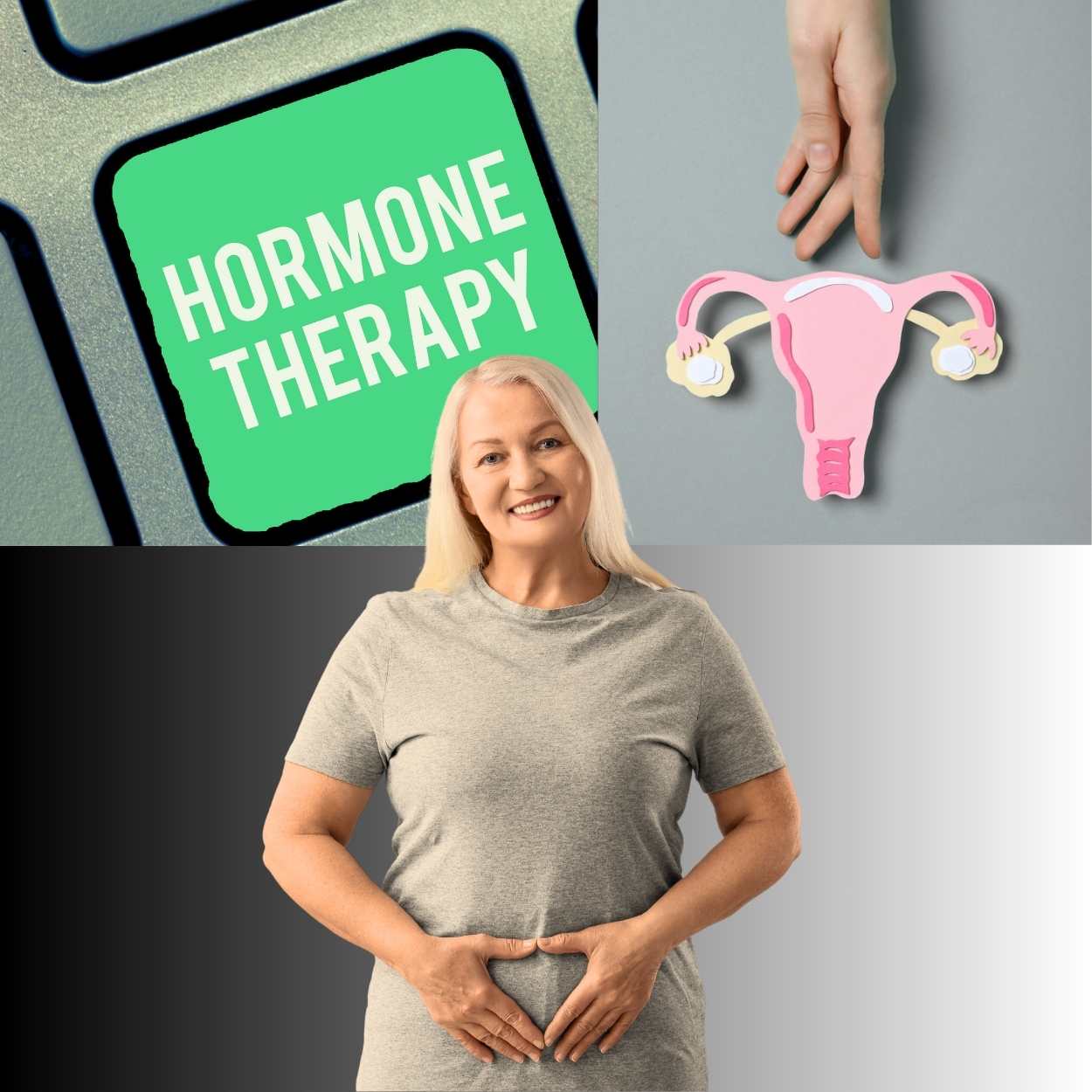
Hormonal health in women is finally getting the serious, science-backed attention it has always deserved. In 2026, the research is clearer, the treatments are better, and the conversation has shifted in a way that could genuinely change how millions of women understand and care for their own bodies.
If you have been feeling tired for no clear reason, struggling with sleep, noticing mood changes that feel out of character, or watching your body change in ways that do not make sense on paper, you are not imagining things. What you are experiencing is biology and in 2026 there are real answers available.
This article covers everything you need to know about hormonal health in women right now, written in plain language, grounded in the latest research.
Table of Contents
Table of Contents
- Why Hormonal Health Women 2026 Is Such a Big Deal
- Hormone Imbalance Signs Women Should Take Seriously
- What Menopause Symptoms Treatment Looks Like Today
- The Truth About Estrogen Therapy Benefits Women Are Discovering
- How Femtech Women’s Health 2026 Is Changing Everything
- What You Can Do Starting This Week
- Your Questions Answered
Why Hormonal Health Women 2026 Is Such a Big Deal
For decades women in their 40s, 50s and beyond lived through a genuine health paradox. This stage of life carries profound changes affecting hormones, heart health, bone strength, brain function and daily quality of life, yet it has historically received far less clinical attention than other phases of women’s health. TheStreet
Women were told their exhaustion was stress. Their brain fog was aging. Their irregular cycles were something to just get through. The reality is that these are hormonal signals and they have always deserved proper investigation and proper treatment.
That reality is now changing in a meaningful way. Studies show that menopause symptoms significantly disrupt daily functioning for most women, yet more than 80 percent never seek care. That statistic underscores decades of under-recognition and under-treatment. TheStreet
The good news is that 2026 represents a genuine turning point. International health leaders predict that by 2026, menopause will be treated as a serious medical and longevity inflection point, not merely a lifestyle inconvenience. Clinical organizations are expanding training programs to better equip physicians with evidence-based treatment strategies including hormone therapy, symptom management and long-term risk assessment. TheStreet
What this means for you practically is that when you walk into a medical appointment today and describe your symptoms clearly, you are more likely than at any previous point to be taken seriously and offered a treatment plan that actually addresses the root cause.
Hormone Imbalance Signs Women Should Take Seriously
Hormone imbalance signs in women rarely show up loudly and all at once. They tend to build gradually over months, each one easy to dismiss on its own, until the picture becomes impossible to ignore.
Persistent fatigue that does not improve with more sleep is one of the earliest and most consistent hormone imbalance signs women describe. When energy levels feel fundamentally broken rather than just tired, it is often tied to disruptions in cortisol patterns, thyroid function or declining estrogen. These hormones directly regulate how the body produces and sustains energy at a cellular level and no amount of extra sleep repairs the problem if the underlying hormone issue is not addressed.
Irregular or painful periods are worth paying attention to rather than simply tolerating. If your cycle has changed noticeably in frequency, duration or pain intensity over the past year, that change is a signal from your endocrine system. Conditions including PCOS, endometriosis and early perimenopause all present through cycle changes and all respond well to early clinical intervention.
Brain fog, memory lapses and difficulty concentrating are among the most distressing hormone imbalance signs women describe, and among the most consistently dismissed. Healthcare providers may not connect these symptoms to perimenopause, while patients often seek help from specialists for individual symptoms without realising their diverse health complaints could all stem from the same hormonal changes. CNBC When a woman notices her memory changing in her late 40s, that deserves a hormonal conversation, not a shrug.
Mood instability, increased anxiety and low motivation that feel disconnected from life circumstances are frequently hormonal in origin. Estrogen and progesterone both act directly on the brain’s neurotransmitter systems including serotonin and dopamine. When these hormones fluctuate significantly, emotional regulation follows whether you are under stress or not.
Unexplained weight gain around the abdomen despite no real change in eating habits is a pattern closely linked to declining estrogen and rising cortisol during perimenopause. Many women experience symptoms for several years before menopause is formally diagnosed CNBC, which means the metabolic changes can begin well before most women connect them to their hormonal health.
Recognising these signs early and seeking proper testing rather than normalising them is one of the most valuable things any woman can do for her long-term health.
What Menopause Symptoms Treatment Looks Like Today
Menopause symptoms treatment has been transformed over the last two years and the changes matter enormously for women navigating this stage of life right now.
The most effective treatment for peri and postmenopausal women to date is hormone replacement therapy, which can alleviate symptoms by replenishing declining hormone levels. Unlike the outdated single delivery method tested in older studies, hormone therapy today may be tailored to each woman’s individual needs, considering factors such as symptoms, medical history and risk profile. Treatment options include oral pills, transdermal patches, vaginal rings and topical gels, as well as different amounts and types of hormones, each offering different benefits and potential risks. CNBC
Beyond hormone therapy, there was a pivotal shift in menopause care in 2025, marked by significant advances in non-hormonal treatments for vasomotor symptoms, particularly hot flashes. The FDA approved elinzanetant, a dual neurokinin receptor antagonist that targets the neural pathway responsible for thermoregulation, reducing hot flash frequency without the safety concerns associated with estrogen-based therapies. Clinical trials showed a 74% reduction in moderate to severe hot flashes by week 12, along with meaningful improvements in sleep. CNBC
This means that in 2026, women who cannot or choose not to use hormone therapy have genuinely effective alternatives for the first time. The era of simply enduring menopause symptoms because treatment options felt limited or risky is over.
The FDA has also initiated removal of the decades-old black box warnings from menopause hormone therapy, reflecting updated scientific evidence and a more sophisticated understanding of when and how treatment is appropriate. CNBC This is a significant development because those warnings, based on outdated research, kept millions of women away from treatments that would have meaningfully improved their quality of life.
The right menopause symptoms treatment for any individual woman depends on her specific symptom profile, health history and personal preferences. What matters most is that women know real options exist and that seeking specialist advice in 2026 is genuinely worth the conversation.
The Truth About Estrogen Therapy Benefits Women Are Discovering
Estrogen therapy has had a complicated reputation for the last twenty years. Understanding where that reputation came from and what the current evidence actually says is important for any woman considering her options.
In 2002, use of hormone therapy plummeted after the Women’s Health Initiative published findings suggesting it increased the risk of breast cancer, heart disease and stroke. However, follow-up research repeatedly rebutted the study’s conclusions by exposing several critical methodological flaws. Most notably, the study had exclusively studied women who were on average ten years post-menopause with an average age of 63, a demographic already vulnerable to cardiovascular issues, and had evaluated only one delivery method that has largely since been replaced with more effective options. CNBC
The science has moved on considerably. Today the literature suggests that hormone therapy can be beneficial for women within 10 years of menopause or below the age of 60, with many physicians recommending starting treatment early in perimenopause to maximise the benefits and avoid complications. CNBC
The estrogen therapy benefits women report most consistently include relief from hot flashes and night sweats, substantially improved sleep quality, mood stabilisation, better skin health, protection against bone density loss and improved energy levels. Hormone therapy effectively prevents menopause-related bone loss and reduces fracture risk, making it an appropriate option for osteoporosis prevention and treatment in early postmenopausal women under 60 years, or those with less than 10 years since menopause. TheStreet
Estrogen therapy may also be considered for perimenopausal women experiencing depression, especially when accompanied by other menopausal symptoms. Transdermal estrogen combined with micronized progesterone has been shown to help prevent the onset of clinically significant depressive symptoms in perimenopausal and early postmenopausal women. TheStreet
What is important to understand is that estrogen therapy benefits are most pronounced when treatment is started at the right time, in the right formulation, for the right woman. The conversation with a specialist who is up to date with current evidence is what opens that door.
How Femtech Women’s Health 2026 Is Changing Everything
Femtech, technology built specifically for female health, has become one of the fastest growing categories in consumer health. And in 2026 it is doing something genuinely meaningful for hormonal health: it is putting real data in women’s hands.
Wearables have moved well beyond counting steps. Smart rings, patches and watches now continuously monitor biometrics closely linked to hormonal health including resting heart rate variability, skin temperature fluctuations, sleep architecture and stress response patterns. These signals, tracked over time, reveal hormonal patterns that previously required clinical testing to identify.
At-home hormone test kits now offer lab-grade accuracy for key hormones including estrogen, progesterone, FSH and cortisol. A woman can now arrive at a specialist appointment with baseline hormonal data already in hand, changing the quality of the clinical conversation entirely.
Cycle syncing apps have also matured significantly. The best platforms in 2026 integrate hormonal cycle data with nutrition guidance, fitness recommendations and sleep optimisation, recognising that what works for a woman’s body in one phase of her cycle may not work in another.
The NIH’s Office of Research on Women’s Health continues to emphasise the need for research that better understands the menopausal transition and tailors care appropriately. TheStreet Femtech is accelerating that understanding by generating population-level data from millions of women tracking their own bodies in real time.
The practical implication for you is straightforward. If you are experiencing symptoms you suspect are hormonal, tracking them systematically with available tools before your next medical appointment gives you something concrete to discuss rather than a vague description of feeling off. That specificity changes the clinical response you receive.
What You Can Do Starting This Week
Understanding your hormonal health does not require waiting for a specialist referral or a crisis point to begin. There are meaningful steps available right now.
Start tracking your symptoms in genuine detail. Not just the obvious ones but energy levels, mood, sleep quality, concentration and physical changes across your full cycle or month. Patterns that emerge over six to eight weeks tell a far more useful clinical story than a single appointment description.
Take the hormone conversation to your next medical visit with confidence. The clinical environment has genuinely changed. More practitioners in 2026 are trained in menopause care, familiar with current hormone therapy guidelines and willing to engage with femtech data you bring in. You deserve that conversation and the updated science backs you up.
Consider femtech women’s health tools suited to your situation. If you are in your late 30s or early 40s and noticing early cycle changes, a continuous hormone tracker or at-home hormone panel is a genuinely useful starting point. If you are in perimenopause or have entered menopause, a specialist consultation informed by your own tracked data is one of the highest-value health investments available to you right now.
Do not let old narratives about hormone therapy make the decision for you. Today, patients are often initiating discussions about hormone therapy before their physician even raises it as an option, reflecting a significant shift in awareness and confidence. CNBC The science has changed. The treatments have improved. The decision deserves to be made on current evidence, not fear rooted in a flawed 2002 study.
Strength and resistance training, sleep consistency and reducing processed food and alcohol are lifestyle pillars that support hormonal balance at every life stage. They are not alternatives to medical treatment when treatment is needed, but they create the physiological foundation that makes everything else work better.
Your Questions Answered
What are the most important hormone imbalance signs women should watch for in 2026?
The most clinically significant hormone imbalance signs women report include persistent fatigue that sleep does not fix, irregular or painful periods, brain fog and memory changes, mood instability especially in the premenstrual phase, unexplained abdominal weight gain, poor sleep quality and low energy despite healthy habits. Three or more of these symptoms appearing together consistently is a clear signal worth investigating with a hormone panel test.
What does menopause symptoms treatment look like today compared to five years ago?
Menopause symptoms treatment in 2026 is far more personalised and better evidenced than it was even five years ago. Hormone therapy can now be tailored by delivery method, hormone type and dosage to each woman’s individual profile. Non-hormonal treatments like elinzanetant offer effective alternatives for women who cannot use estrogen. Telehealth has made specialist access far more available and the removal of outdated black box warnings has opened clinical conversations that were previously shut down by fear.
Are estrogen therapy benefits women discuss actually backed by current science?
Yes. Current research supports estrogen therapy benefits including significant relief from hot flashes and night sweats, improved sleep, mood stabilisation, bone density protection and cardiovascular benefits when initiated within 10 years of menopause in women under 60. The evidence base is substantially stronger and more nuanced than the 2002 study that damaged hormone therapy’s reputation for two decades.
What is femtech and how does it help hormonal health women 2026?
Femtech refers to technology products designed specifically for female health. In the context of hormonal health in women, 2026 tools include wearables tracking hormone-linked biometrics in real time, at-home hormone test kits, cycle syncing apps integrating nutrition and fitness guidance, and AI-powered symptom analysis platforms. These tools give women concrete data to bring to clinical appointments rather than symptom descriptions alone.
Is hormonal health for women getting more attention in 2026 than before?
Significantly more. Investment, clinical training and technology have converged in a way that has no historical precedent. The FDA removed outdated black box warnings from hormone therapy in late 2025. The NIH held a dedicated workshop in April 2026 on advancing menopausal health research. New non-hormonal treatments received FDA approval in 2025. And femtech tools are generating real-world hormonal data at a scale that is reshaping clinical understanding of what women actually experience across their hormonal lives.
Follow ImproveHerHealth.com for expert advice, wellness updates, and smarter product recommendations designed for your journey.
Published: March 30, 2026 | Focus Keyword: hormonal health women 2026 | Supporting Keywords: hormone imbalance signs women, menopause symptoms treatment, estrogen therapy benefits women, femtech women’s health 2026 | Reading Time: 7 minutes