

 Vishnu Priya
Psyllium husk is one of the most researched fiber supplements available, yet most people only think of it as an old fashioned laxative sitting next to the antacids. That reputation undersells it. Psyllium husk is a soluble fiber derived from the seeds of Plantago ovata, and decades of clinical research back its role in digestion, cholesterol management and blood sugar regulation. This is a practical look at what the evidence actually shows, how to use it correctly, and what to watch for.
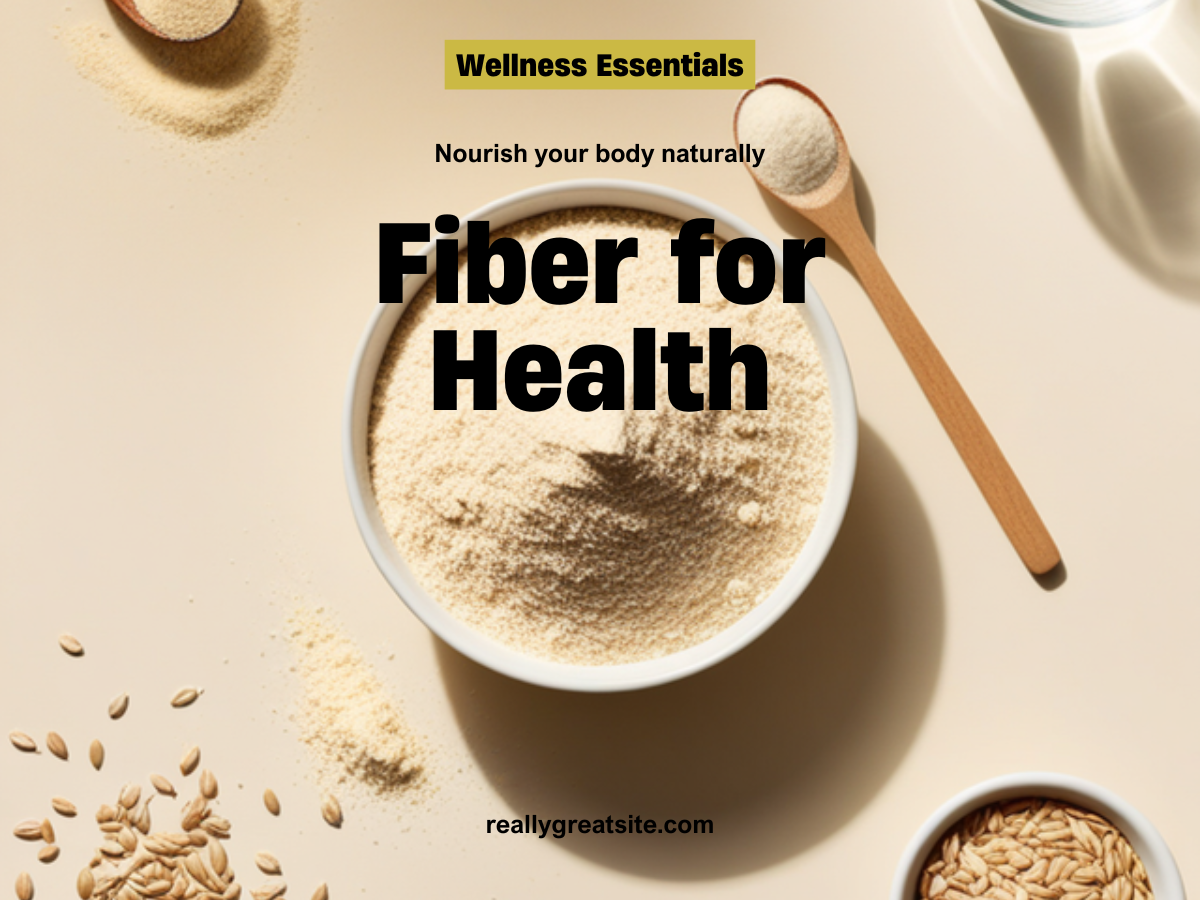
Psyllium husk can ease constipation, help manage blood sugar and lower LDL cholesterol by reducing how much cholesterol the body absorbs from food. It also has prebiotic qualities that support gut bacteria.
Quick Take
Table of Contents
What Psyllium Husk Is and How It Works
Psyllium husk comes from the outer coating of Plantago ovata seeds. Once separated and dried, it becomes a soluble fiber that absorbs water and swells into a gel as it moves through the digestive tract. That gel adds bulk to stool, which helps the intestinal muscles move waste through more efficiently. Unlike some fibers that pass through mostly unchanged, psyllium is also partially fermented by gut bacteria, producing short chain fatty acids like butyrate, which research links to a healthier gut lining and reduced inflammation.
The Evidence on Cholesterol and Blood Sugar
According to Cleveland Clinic, psyllium husk can help lower LDL cholesterol by binding to cholesterol and bile acids in the digestive tract, reducing how much the body absorbs and prompting the liver to pull more cholesterol from the bloodstream to compensate. For blood sugar, the gel formed by psyllium slows how quickly the stomach empties and how fast glucose is absorbed after a meal, which can blunt post meal blood sugar spikes. Neither effect is dramatic on its own, but combined with a reasonable diet, the research consistently shows a measurable benefit for both markers over time.
How Much to Take and How to Take It
A common starting dose is one teaspoon, roughly 5 grams, mixed into a full glass of water and taken once daily, then gradually increased to two or three times a day as tolerated. It should be consumed quickly after mixing, since it thickens fast, and always with a full glass of water rather than a small sip. Mayo Clinic notes that there is no strong evidence that daily fiber supplement use is harmful for most healthy adults, though food sources of fiber remain the first choice when possible.
Drug Interactions Worth Knowing
Psyllium’s gel forming properties are exactly what make it useful, but that same property can interfere with how well certain medications are absorbed if taken too close together. This includes some diabetes medications, thyroid hormone replacement, and certain antidepressants. The general guidance is to separate psyllium from other medications by at least two hours. Anyone managing a chronic condition with daily medication should confirm timing with a pharmacist or doctor before adding a fiber supplement to a routine, rather than assuming it is automatically safe to take alongside everything else.
Who Should Be Cautious
Psyllium husk is not appropriate for everyone. Anyone with a history of bowel obstruction, esophageal narrowing, or difficulty swallowing should avoid it or use it only under medical supervision, since the gel forming action that helps digestion can worsen an existing blockage. It should always be taken with adequate water, since insufficient fluid intake is the most common cause of it backfiring into worse constipation. Pregnant women and anyone on multiple daily medications should check with a doctor before starting a regular fiber supplement, simply as good practice rather than because psyllium itself carries unusual risk.
Where Psyllium Husk Fits Compared to Whole Food Fiber
Most dietary guidelines recommend getting fiber primarily from whole foods, since foods like beans, oats and vegetables also deliver vitamins, minerals and other beneficial compounds that a fiber supplement cannot replicate. Psyllium husk is not a replacement for that foundation.
It is most useful as a targeted tool for people who fall short of the recommended 25 to 38 grams of daily fiber despite reasonable effort, or for people specifically managing constipation, cholesterol or blood sugar concerns where the concentrated, standardized dose of a supplement offers more predictable results than trying to eat significantly more fiber rich food every day. Used this way, alongside a normal diet rather than instead of one, it tends to deliver the most consistent benefit.
Common Side Effects to Expect
Mild bloating, gas and changes in bowel frequency are common in the first one to two weeks as the digestive system adjusts, and these effects typically resolve on their own with continued, consistent use. Starting at a low dose and increasing gradually, rather than jumping to a full dose immediately, meaningfully reduces how noticeable these adjustment symptoms are. Persistent severe bloating, abdominal pain or an allergic reaction such as itching or difficulty breathing after taking psyllium warrants stopping use and contacting a doctor, since these are not typical adjustment symptoms.
Well Reviewed Options Worth Considering
For a whole husk option with a strong safety and purity track record, NOW Foods Whole Psyllium Husks is Non-GMO Project Verified and widely used in clinical grade supplement comparisons. For anyone who prefers capsules over mixing powder, Nutricost Psyllium Husk Capsules offer a consistent 1500mg dose without any mixing required. Those who already take Metamucil and want to stick with a familiar, sugar free formula can continue with the Metamucil 4 in 1 Fiber Supplement, which has been studied in several of the clinical trials referenced above.
The Bottom Line
Psyllium husk holds up under scientific scrutiny better than most supplements marketed for gut health. It is inexpensive, well studied, and effective for constipation, cholesterol and blood sugar support when used consistently and correctly. The main risks come from taking it without enough water or too close to other medications, both of which are easy to manage with a little attention.
For anyone building a fiber routine based on evidence rather than trends, psyllium husk remains one of the more defensible choices available. If fiber intake generally is a bigger interest for you, our guide to the fibermaxxing trend covers food based fiber sources in more depth, and our piece on circadian rhythm eating looks at meal timing as another lever for blood sugar support. Anyone managing multiple prescriptions should also read our overview of common medication considerations before adding a new supplement.
Frequently Asked Questions
Does psyllium husk lower cholesterol?
Yes, research shows it can lower LDL cholesterol by binding to cholesterol and bile acids in the digestive tract, reducing how much the body absorbs from food.
Can psyllium husk help with blood sugar?
It can help blunt post meal blood sugar spikes by slowing digestion and glucose absorption, though it should complement rather than replace other blood sugar management strategies.
How long does psyllium husk take to work?
Some digestive effects can be noticed within a day or two, while cholesterol and blood sugar benefits typically take several weeks of consistent daily use to become measurable.
Can I take psyllium husk with other medications?
It is generally recommended to separate psyllium husk from other medications by at least two hours, since it can interfere with how well some medications are absorbed. Check with a doctor or pharmacist for specific guidance.